


Chelsea’s recent loss to Manchester City was a stark illustration of how defensive vulnerabilities, particularly a high defensive line, can be ruthlessly exploited by top-tier teams. The match was characterized by a series of individual and collective errors that ultimately proved costly for the Blues. This analysis will delve into the specific defensive lapses and tactical missteps that contributed to their defeat, highlighting the key moments where Chelsea’s high line was exposed and punished by City’s attacking prowess. The game serves as a case study of the importance of defensive solidity and tactical discipline when facing a team of City’s quality.
The High Line Under Scrutiny
A critical aspect of Chelsea’s defensive strategy was their high defensive line. While a high line can be effective in compressing the pitch and squeezing the opposition, it also carries inherent risks. Chelsea’s high line was repeatedly exploited by Manchester City’s long balls and well-timed runs in behind. Here’s how:
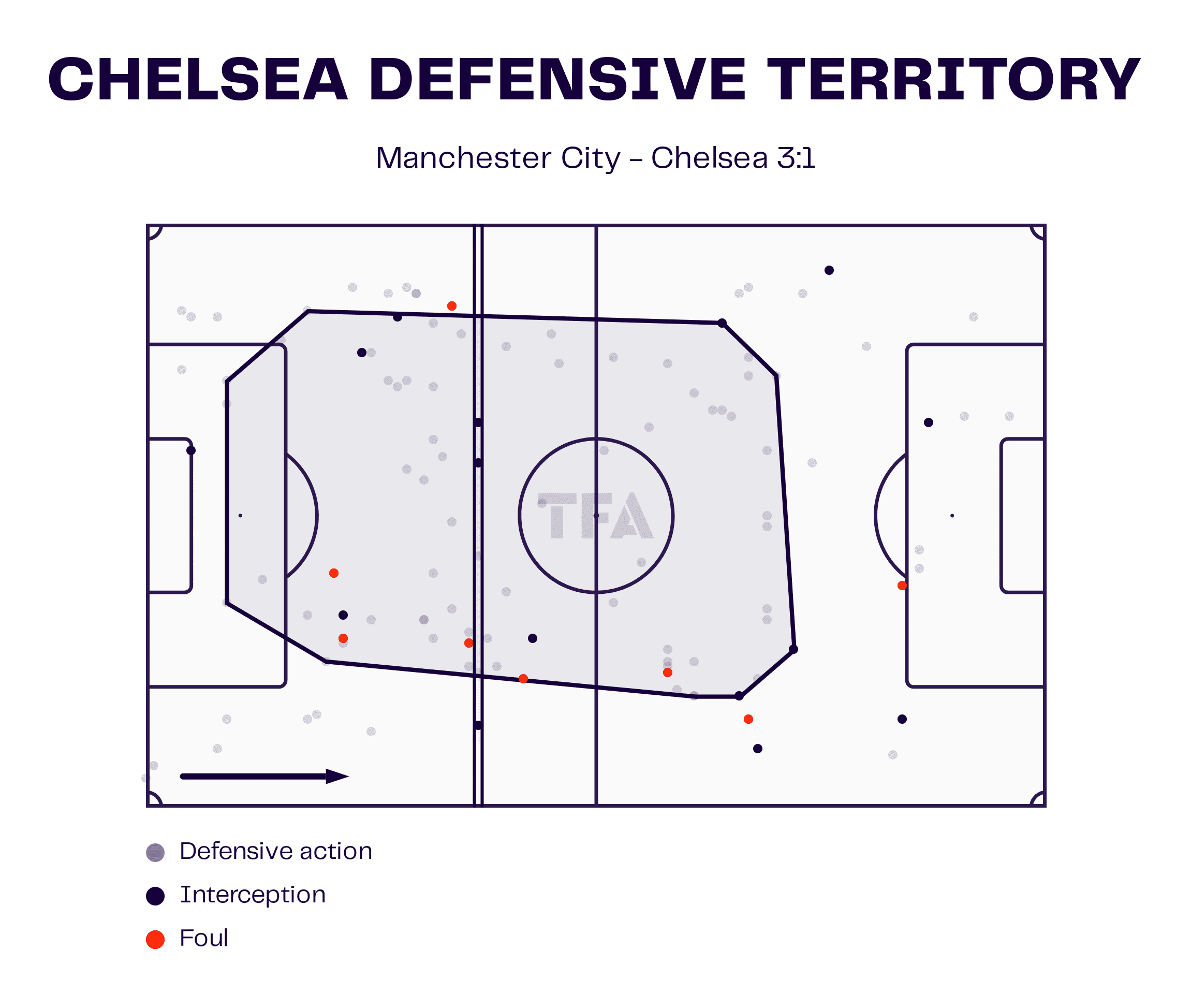
- Lack of Awareness: Chelsea’s defenders often seemed unaware of the runs being made by City’s attackers, particularly Erling Haaland, allowing them to find space and create goal-scoring opportunities.

- Exploited by Long Balls: City’s tactical shift towards using long balls was crucial in exposing the vulnerabilities in Chelsea’s high line. These balls, often played over the top of the defence, forced the Chelsea backline into uncomfortable situations.
- Difficulty Tracking Runs: The high line required defenders to be proactive in tracking runs and stepping up to play attackers offside, but Chelsea’s defenders often struggled with these responsibilities, leading to dangerous moments.
Key Examples of Defensive Lapses
Throughout the match, Chelsea’s defensive shortcomings were evident in several key moments:

- Gvardiol’s Goal: Josko Gvardiol’s goal, City’s second, was a prime example of how Chelsea’s high line could be exploited. Gvardiol found himself in a one-on-one situation with the Chelsea goalkeeper after a long ball. The Chelsea defence was caught out, with a lack of defensive awareness that was costly. It took Gvardiol three attempts to score. The goal was the result of Chelsea playing everybody onside and Cucurella trying to catch up.

- Haaland’s Goal: Haaland’s goal further exposed Chelsea’s defensive frailties. The Chelsea goalkeeper, Sanchez, came out of his goal, lost the ball, and a slight deflection took the pace off it, leaving Haaland with a relatively simple finish. Chalobah also lost his balance at a key moment. The goal highlighted the problems caused by the runs in behind, and City’s growing ability to pick Haaland out.
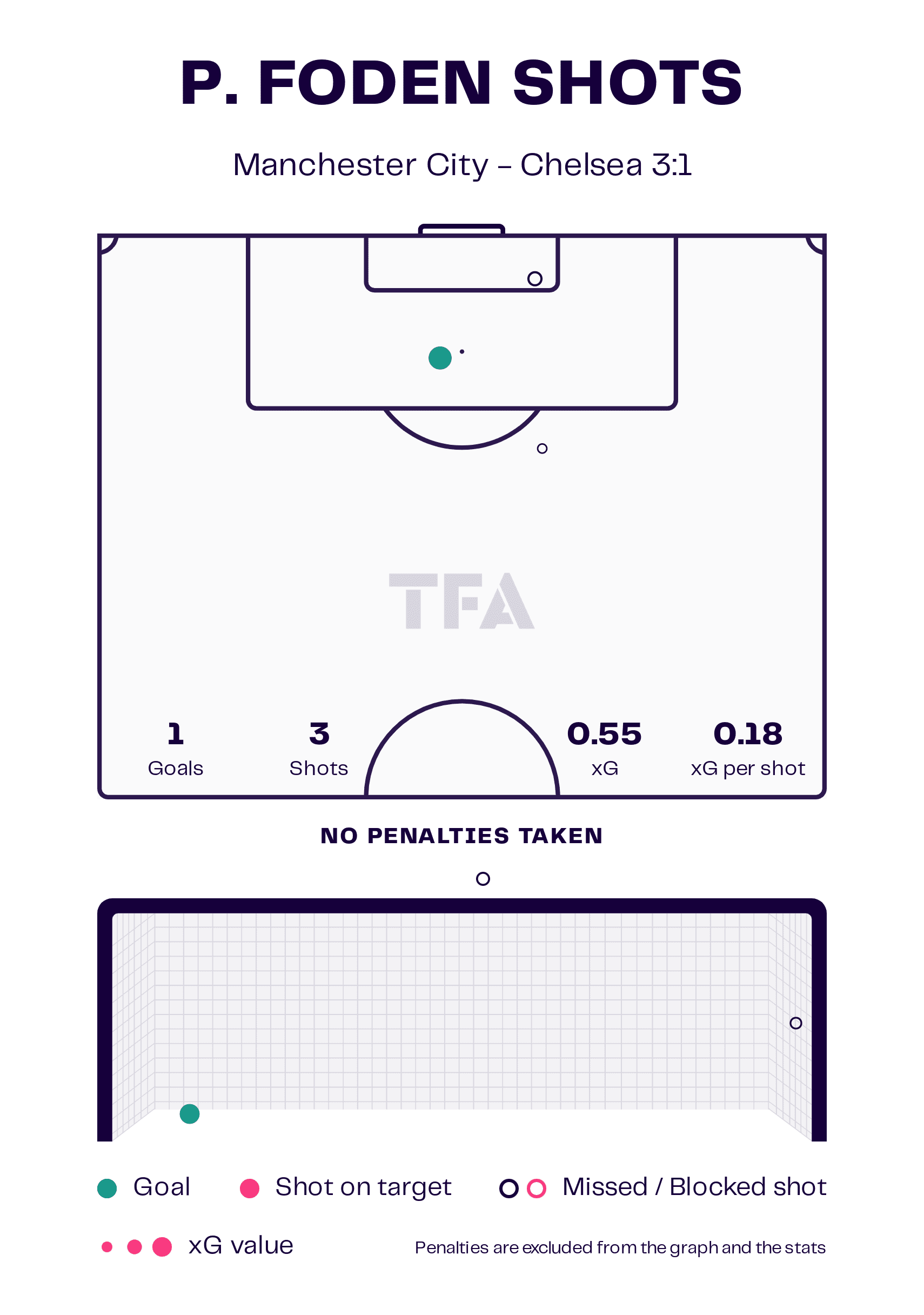
- Foden’s Goal: The final goal, scored by Foden, showcased Chelsea’s inability to deal with City’s combination of strength and awareness. A long ball, a flick-on and then good strength from Haaland drew three Chelsea players towards him before he was able to lay it off for Foden to finish.
Individual Errors

While Chelsea’s defensive setup was problematic, individual errors also played a significant role in their downfall:
- Sanchez’s Misjudgment: Sanchez’s decision to come out of his goal for Harland’s goal was poorly judged and contributed to City’s dominance.
- Lack of Communication: The Chelsea backline often appeared disorganized, with a lack of communication between defenders that led to confusion and errors.
Tactical Missteps
Beyond the individual mistakes, Chelsea’s tactical approach also contributed to their struggles:
- Inability to Adapt: Chelsea struggled to adapt to City’s long-ball tactics, failing to adjust their defensive line or midfield to counter this change in strategy.
- Lack of Defensive Solidity: The high line was often poorly executed, with defenders either failing to track runs or stepping up to play attackers offside, creating easy chances for City.
- Midfield Vulnerability: Chelsea’s midfield was unable to provide adequate cover for the backline, leaving them exposed to City’s attacks.
City’s Exploitation
Manchester City’s tactical approach, particularly their use of long balls, was key to their victory.
- Change of Style: City’s switch to long ball tactics was a surprise, but ultimately proved effective in exploiting Chelsea’s high line.
- Effective Runs: City’s forwards, particularly Harland, made intelligent runs in behind, constantly testing the Chelsea defenders and creating scoring opportunities.
- Adaptability: City’s ability to adapt their tactics, exploiting Chelsea’s weaknesses, was a sign of their top-class quality.
Consequences of the Defeat
Chelsea’s defeat by City had significant consequences for their season:
- Loss of Position: The defeat left Chelsea stuck in sixth place, further undermining their hopes of a top-four finish.
- Psychological Impact: The manner of the defeat, with a series of defensive errors, could hurt the confidence of the players.
- Questions Over Strategy: The defeat raises serious questions about Chelsea’s defensive setup and tactical approach, further highlighting the need for improvement in these areas.
Conclusion: A Lesson in Defensive Discipline
The match against Manchester City was a harsh lesson for Chelsea, highlighting the importance of defensive discipline and tactical awareness. The combination of a high defensive line, individual errors, and tactical missteps allowed City to capitalize and secure a comfortable victory. The game serves as a reminder that even the most attacking-minded teams must be defensively solid to succeed against elite opponents. The defeat underscores the need for Chelsea to address their defensive vulnerabilities, improve communication, and develop a more adaptable tactical approach if they are to compete with the top teams in the Premier League. Chelsea’s defensive frailties, and City’s capacity to exploit them, were the key elements in the game. The result was not merely a loss, but a clear indication of how vital defensive solidity is in the modern game.
Visuals via TFA data viz engine