


Chelsea’s recent defeat to Manchester City has left them languishing in sixth place, a position that underscores the challenges they face in their quest for a return to the top of the Premier League. This tactical analysis delves into the implications of their current form, the key areas that need addressing, and potential pathways for Chelsea to regain competitiveness. The match against Manchester City, while displaying moments of attacking promise, ultimately exposed their ongoing struggles with consistency and defensive solidity, highlighting the urgent need for tactical and strategic adjustments.
The Current Predicament: Sixth Place and its Implications
Chelsea’s position in sixth place, beyond 40 points and behind Newcastle, is a stark indicator of the team’s struggles this season. This placement means they are not in the top four, and thus not currently in a Champions League qualifying spot. The team’s inability to consistently win matches and their tendency to fall behind early in games has hindered their progress. This situation not only impacts their league standing but also affects team morale and future prospects.
Key Issues Exposed by the Manchester City Match
The tactics against Manchester City highlighted several recurring problems that have plagued Chelsea throughout the season. Despite an early lead, they were unable to maintain their momentum and were ultimately outplayed by a more cohesive and tactically astute Manchester City side.
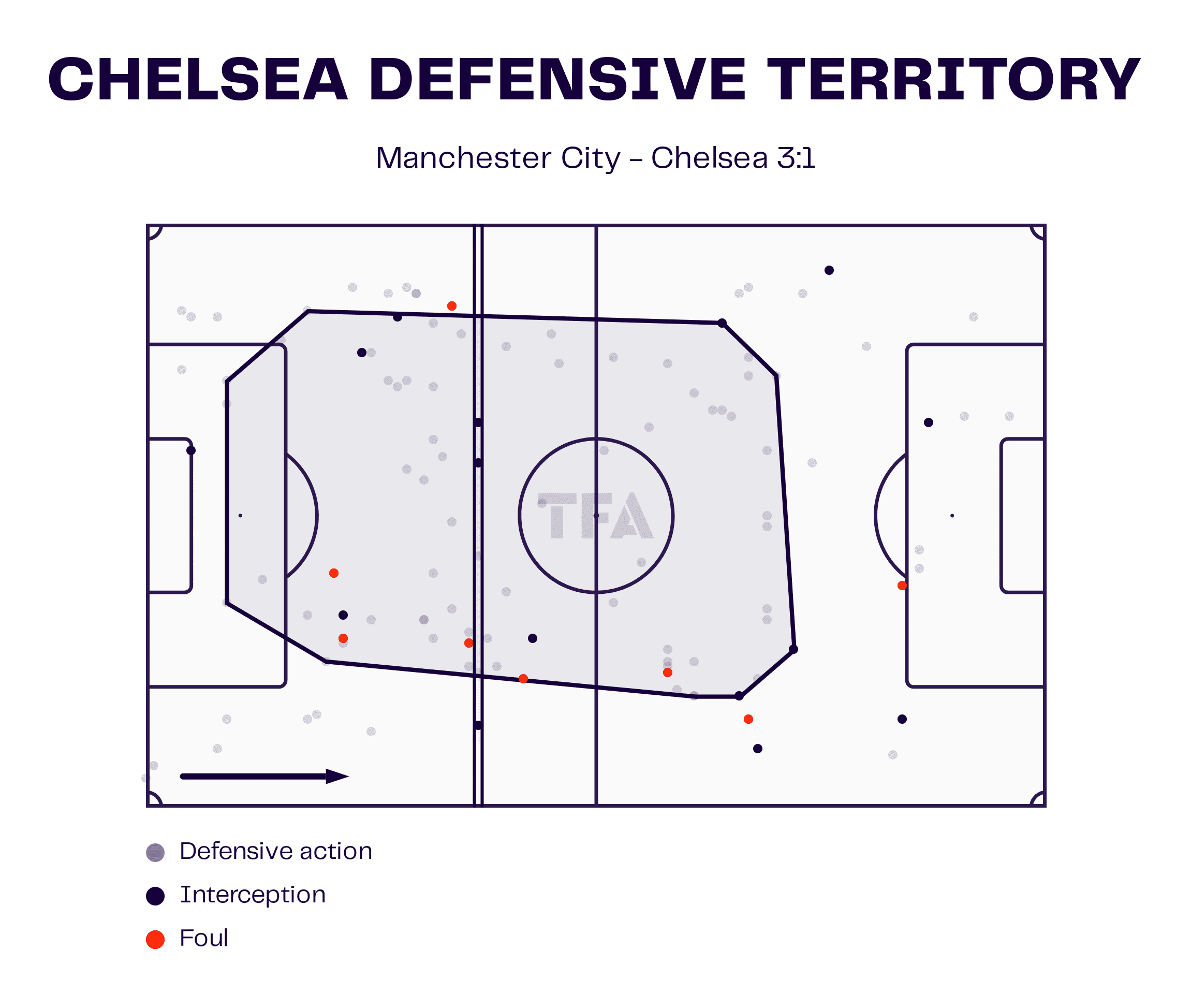
- Defensive Vulnerabilities: Chelsea’s high defensive line was repeatedly exploited by Manchester City. This tactic, while intended to catch attackers offside, often left them vulnerable to through balls and fast attackers. The first goal conceded resulted from a defensive mix-up, demonstrating communication issues and individual errors.
- Inability to Sustain Pressure: Chelsea struggled to maintain pressure on Manchester City, allowing their opponents to control possession and dictate the pace of the game. This inability to control the tempo allowed Manchester City to exploit gaps in the Chelsea defence.
- Inconsistent Performances: The team’s performance fluctuated throughout the match, showing flashes of brilliance interspersed with periods of poor decision-making and defensive lapses. The contrast between their early incisive attacks and their subsequent struggles is a key example.
- Lack of Cohesion: There were moments when the lack of cohesion between the midfield and defence was evident. Manchester City exploited these gaps, making it difficult for Chelsea to defend effectively.

- Missed Opportunities: Despite some promising attacks, Chelsea often lacked the necessary clinical finishing to make the most of their opportunities. This was evident when chances to extend their lead or equalize were squandered.
Tactical and Strategic Challenges
Chelsea’s current challenges extend beyond individual errors and inconsistent performances, encompassing deeper tactical and strategic deficiencies that require immediate attention.
- High Defensive Line: Chelsea’s high defensive line, intended to compress play, repeatedly left them vulnerable. This tactic failed to consistently catch attackers offside and instead exposed them to through balls and pacey attackers. A more balanced approach to defensive positioning is needed.
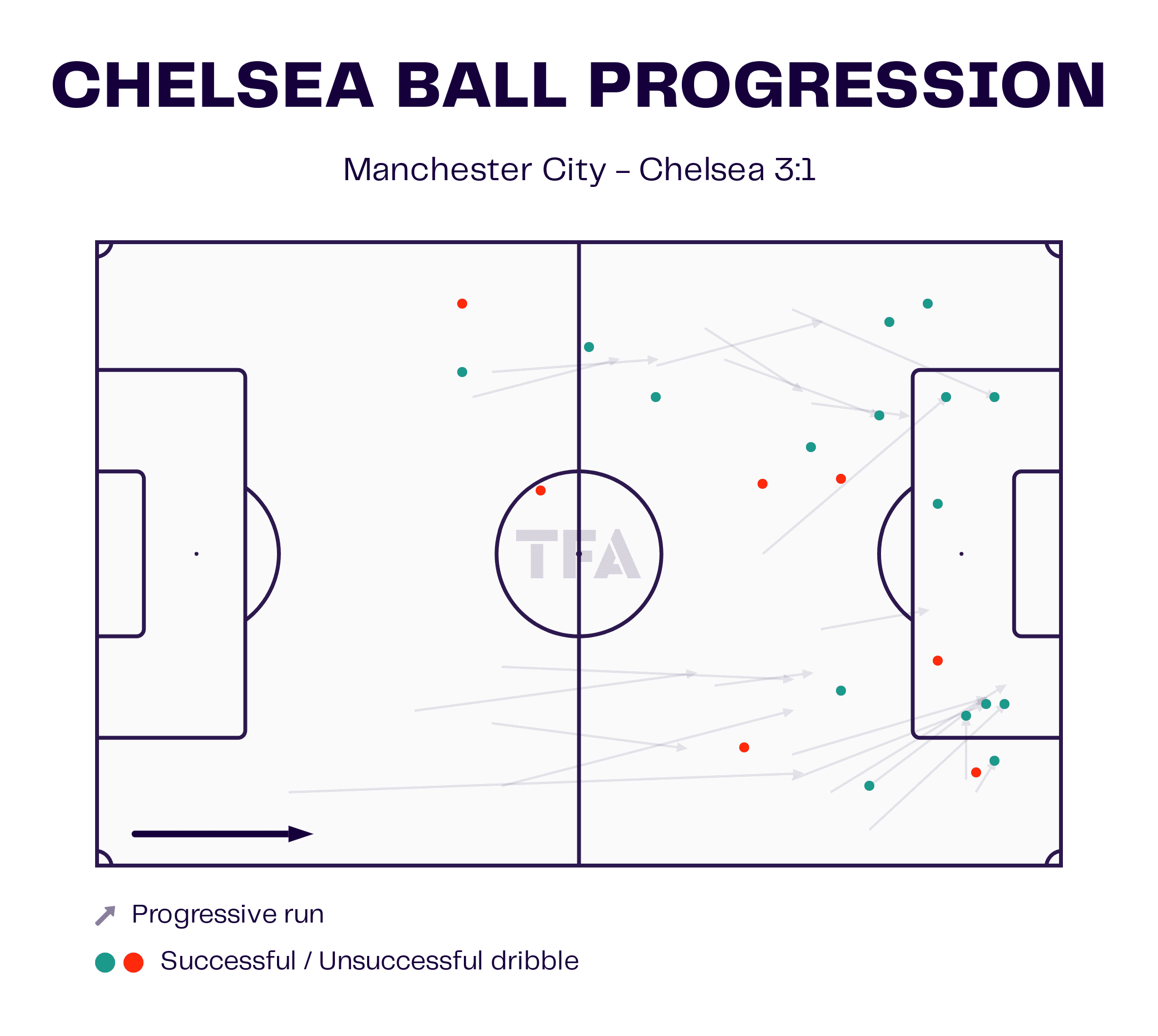
- Counter-Attack Reliance: While the early counter-attacks were effective, they could not sustain them. This reliance meant that when Chelsea were forced to control possession, they struggled to create scoring opportunities.
- Midfield Instability: The gaps between the midfield and defence were often too large, allowing Manchester City to exploit this area of the pitch. This instability made it difficult to defend effectively and control the flow of the game.
- Adaptability Issues: Chelsea struggled to adapt when Manchester City changed their tactics, which highlights a lack of flexibility. This was evident in their inability to respond when Manchester City began to use long balls.
What Needs to Change?
To move out of sixth place and regain their competitive edge, Chelsea must address several critical areas.
- Defensive Reinforcements: The most pressing need is for improved defensive solidity and better communication. This may involve personnel changes or improved training techniques. The focus should be on maintaining a solid backline that is difficult to penetrate.
- Tactical Flexibility: Chelsea needs to develop a more adaptable tactical approach that allows them to both control possession and counter-attack effectively. This should involve a greater variety of attacking and defensive strategies.
- Midfield Stability: Strengthening the link between the midfield and defence is vital. This could involve player acquisitions or tactical adjustments to reduce the gaps on the pitch.
- Clinical Finishing: There is a need for players to improve their ability to convert scoring opportunities. This requires focused training and a change in the mentality of the team.
- Consistent Performances: Chelsea needs to achieve consistent performance over 90 minutes. This requires the players to be more consistent, and avoid lapses in concentration and focus.
- Strategic Planning: Chelsea needs to have a clear strategic plan, that includes a clear understanding of their strengths, weaknesses and how to compete with the top teams.
Player Performance Analysis
- Jackson: Jackson showed awareness and skill in the buildup to Chelsea’s first goal, but his impact diminished as the game went on.
- Madueke: Madueke scored the opening goal, showcasing his ability to be in the right place at the right time, but he was not consistently a threat.

- Sanchez: Though he made some good saves, Sanchez was also caught out of position for the second goal. This inconsistency needs addressing.
The Path Forward: Rebuilding and Regrouping
Chelsea must look to several key areas to improve their performance and position in the league.
- Transfers: Identifying and acquiring players who can improve the team’s weak areas, particularly in defence and midfield. They need to look for players with more experience and composure to guide the younger players.
- Coaching Adjustments: Reviewing and refining coaching strategies to develop a more balanced tactical approach. The emphasis should be on developing tactical flexibility and adaptability.
- Team Cohesion: Improving team cohesion and communication through focused training and team-building activities. This will require a more collaborative and unified approach on the field.
- Mental Resilience: Developing mental resilience and the ability to bounce back from setbacks. This will require a change in mentality within the team.
- Patience: The team needs to be patient and approach the rebuilding as a process. It is important to avoid knee-jerk reactions.
The Road Ahead: A Season of Challenges
The road ahead for Chelsea is filled with challenges. They must address their defensive frailties, improve their tactical flexibility, and find a way to produce more consistent performances. The club’s inability to maintain pressure and their defensive vulnerabilities must be addressed in order to compete with the top teams. The upcoming matches will be crucial in determining whether Chelsea can turn their season around.
Conclusion: A Call for Change
Chelsea’s current situation in sixth place underscores the urgent need for change. The team’s inconsistent performances, defensive vulnerabilities, and tactical deficiencies must be addressed. While the early goal against Manchester City showed potential, their overall performance was a reminder of the team’s struggles. It is essential that the club takes immediate steps to address their issues and begin a journey towards becoming the top team they aspire to be. This will require a clear strategy, improved coaching, strategic player acquisitions, and a unified approach from the players, coaches and staff. The next phase of the season will be a crucial period for the club to demonstrate their ability to learn from their mistakes and move forward, which will determine whether they can break free from their current position and return to the top tier of the Premier League.
Visuals via TFA data viz engine