Chelsea’s performance against Manchester City was a tale of two halves, marked by moments of incisive attacking brilliance and periods of defensive vulnerability. This analysis explores the key elements of Chelsea’s attacking play, highlighting what they did effectively, where they faltered, and the tactical nuances that defined their performance. The match serves as a case study of the complexities of balancing offensive dynamism with defensive solidity, especially against a formidable opponent like Manchester City.
Early Promise: Incisive Attacks and Exploiting Errors
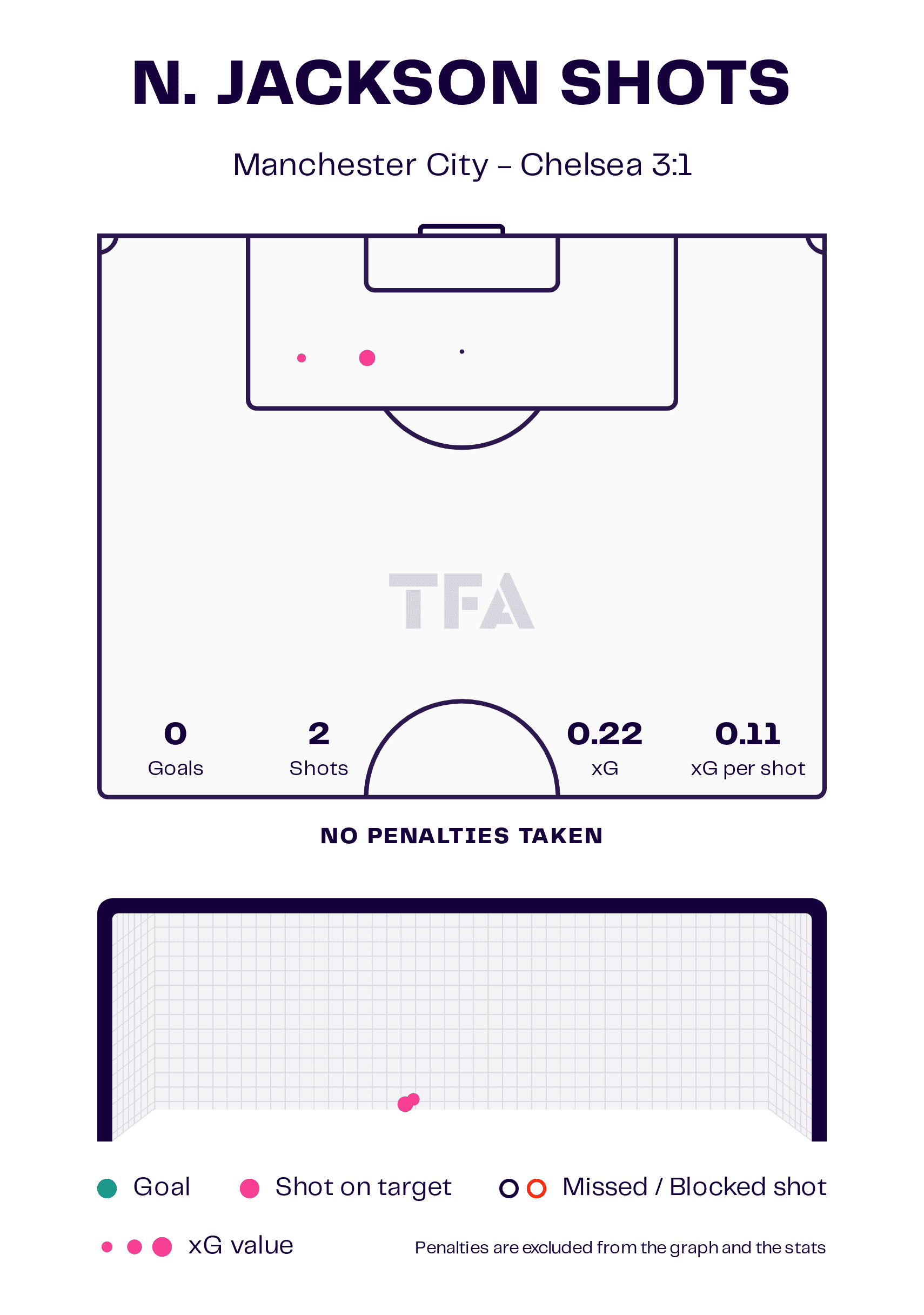
Chelsea’s early performance was characterized by a clear ability to exploit Manchester City’s mistakes and convert those opportunities into dangerous attacks. The opening goal, which came just two minutes into the game, exemplified this. A defensive mix-up and poor communication from Manchester City allowed Chelsea to take an early lead through a tap-in by Madueke, following a well-executed move.
This early goal was not just a fluke but a consequence of Chelsea’s ability to capitalize on errors and demonstrate the team’s capacity for incisive attacks. The goal resulted from a series of actions: a header from Jackson, an awkward bounce of the ball that confused Khusanov, a lack of communication between Khusanov and Akanji, and finally, the goal by Madueke. This sequence highlights Chelsea’s ability to take advantage of defensive lapses.
What Went Right for Chelsea
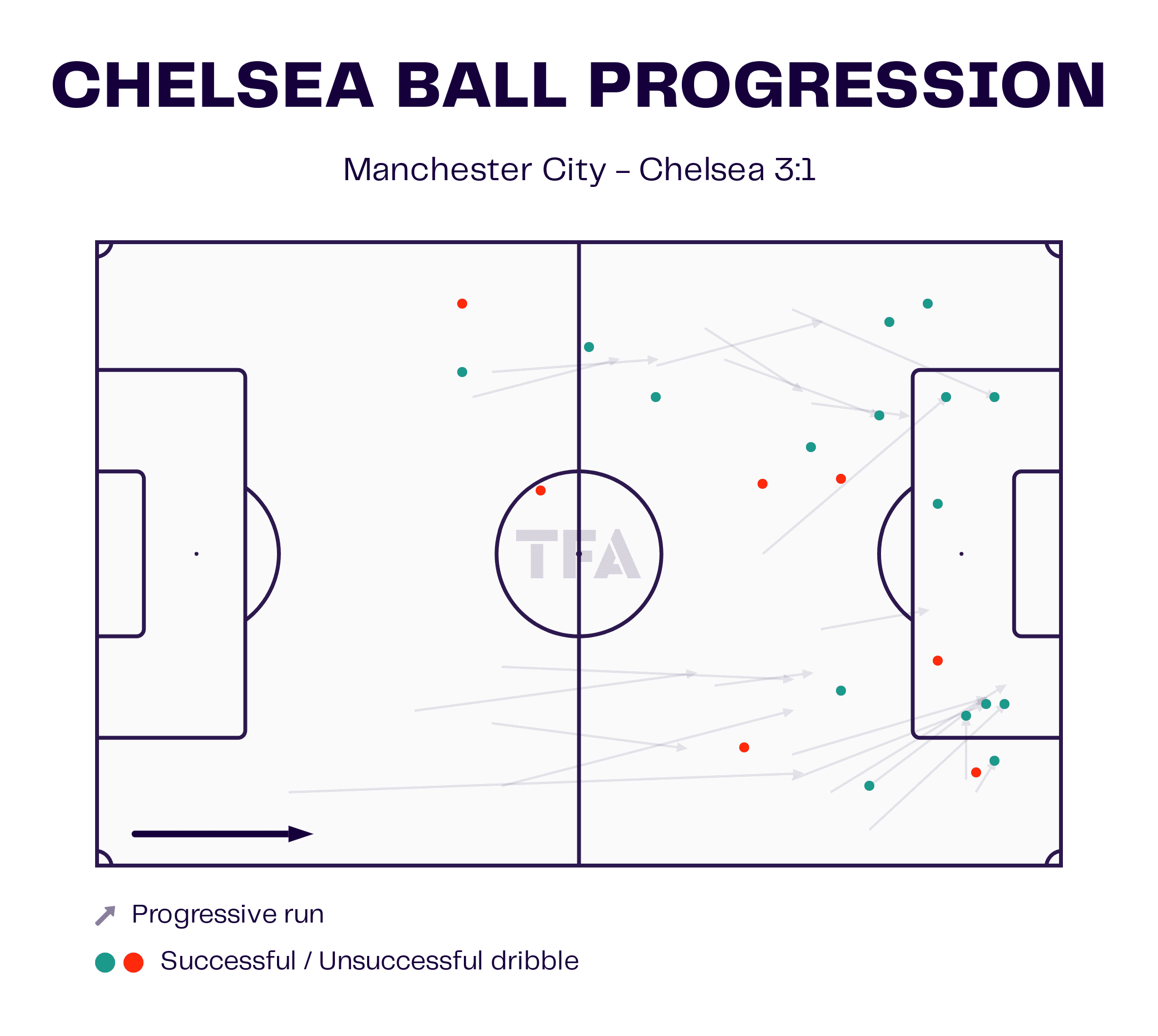
- Pace and Quality on the Break: Chelsea showcased their ability to break with real pace and quality when they were incisive. They demonstrated they could transition quickly from defence to attack, causing problems for the Manchester City defence.
- Exploiting Defensive Errors: Chelsea were adept at exploiting defensive errors, particularly early in the game. The first goal was a clear example of how they could take advantage of communication breakdowns and individual mistakes from their opponents.
- Individual Skill and Awareness: The contributions of individual players like Jackson were crucial. His awareness and skill in the buildup to the first goal demonstrated his ability to create opportunities for his teammates.
- Quick Transition Play: When Chelsea were able to quickly move the ball up the pitch they were able to exploit gaps in the Manchester City defence. This was a key feature of their more successful attacks.
- Dangerous Counter Attacks: Chelsea displayed that they could be dangerous when they broke quickly. They had the potential to trouble any team with this attacking play.
The Shift in Momentum: Defensive Frailties and Missed Opportunities
As the game progressed, Chelsea’s early attacking threat gradually diminished. Their defensive vulnerabilities became more apparent, which allowed Manchester City to take control of the match.
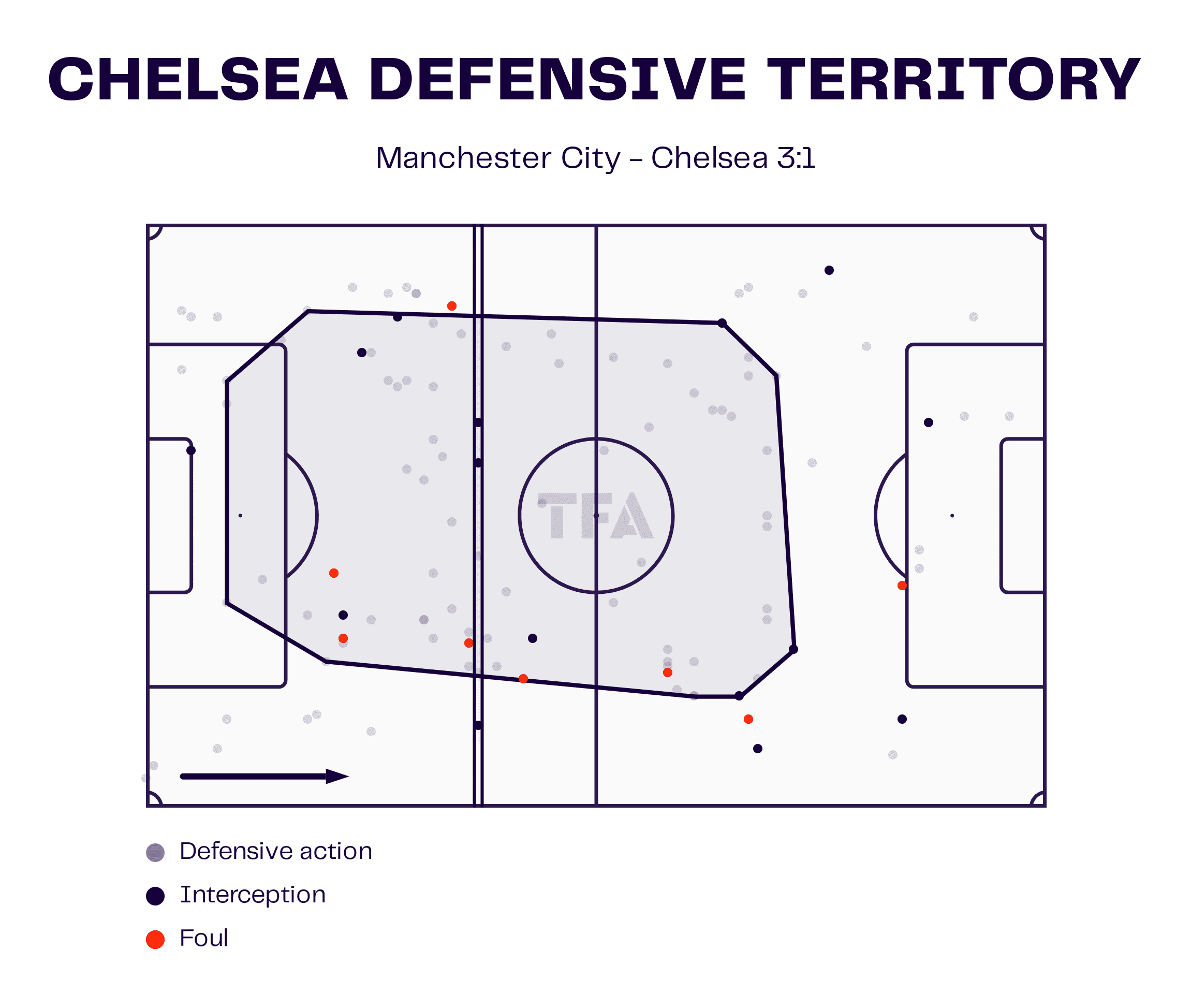
- High Defensive Line Vulnerability: Chelsea’s high defensive line was consistently exploited by Manchester City. This tactic, while intended to compress the play and catch City offside, repeatedly left the Chelsea defence exposed.
- Lack of Defensive Tracking and Awareness: There were instances where Chelsea’s players failed to track runners or were caught out of position, resulting in goal-scoring opportunities for Manchester City.
- Inability to Sustain Pressure: Chelsea struggled to maintain pressure on Manchester City, allowing their opponents to control possession and dictate the pace of the game.
- Missed Chances: There were times when Chelsea had the opportunity to extend their lead or equalize but failed to capitalize on their chances. Some shots were off-target, and some were well-saved by the Manchester City goalkeeper.

- Lack of Clinical Finishing: In some attacking sequences, Chelsea lacked the necessary clinical finishing to make the most of their opportunities. This contrasted with Manchester City’s more decisive strikes.
Key Moments and Turning Points
- Early Goal: Chelsea’s early goal was a positive start, showing their capacity to capitalize on errors and establish an early lead.
- Manchester City’s Response: Manchester City’s response to going a goal down was swift and decisive. They gradually took control of the match, which put increased pressure on Chelsea.
- Defensive Errors: Chelsea’s high defensive line and lack of awareness allowed Manchester City to score three goals, highlighting their defensive frailties.
- Missed Opportunities: Chelsea had a few opportunities to score, but their inability to convert those chances played a role in their eventual defeat.
Tactical Analysis: What Went Wrong
- High Defensive Line: Chelsea’s high defensive line was a double-edged sword. While it could help to compress play and catch attackers offside, it also left them vulnerable to through balls and fast attackers.
- Midfield Gaps: There were instances when the gaps between Chelsea’s midfield and defence were too big. Manchester City was able to exploit this, making it difficult for Chelsea to defend effectively.
- Lack of Defensive Cohesion: There were times when the lack of defensive cohesion was evident, leading to confusion and missed tackles. This lack of coordination played into Manchester City’s hands.
- Over-Reliance on Counter-Attacks: While effective in the early stages, Chelsea’s reliance on counter-attacks meant that they struggled when they had to control possession for an extended period.
Player Performances
- Jackson: Jackson’s awareness and skill were crucial in the buildup to Chelsea’s first goal, but his overall impact diminished as the game progressed.
- Madueke: Madueke scored the opening goal, showcasing his ability to be in the right place at the right time, but he was not consistently a threat.
- Palmer: Palmer was involved in some promising attacking moves, but was not able to significantly impact the game.
- Sanchez: Though he made some good saves, Sanchez was also caught out of position for the final goal.
Manchester City’s Tactical Adjustments
Manchester City adjusted their tactics during the match, which contributed to their comeback victory. Some of these changes were:

- Exploiting the High Line: Manchester City consistently exploited Chelsea’s high defensive line, making use of through balls and runs behind the defence.
- Long Balls: Manchester City employed long passes to unlock the Chelsea defence.
- Haaland’s Movement: Erling Haaland’s runs in behind the defence were a constant threat. He eventually capitalized on one of these opportunities.
- Foden’s Composure: Phil Foden’s late goal demonstrated his composure and ability to make the right decisions in key moments.
The Contrast with Manchester City
In contrast to Chelsea’s inconsistent performance, Manchester City displayed the tactical and mental strength to come back from a goal down. They were able to adjust their approach and were more clinical in front of the goal. This demonstrated the difference between a team that can both attack and defend effectively and a team that is still learning to balance these aspects of the game. Manchester City’s key plays included using long balls, Haaland’s runs in behind, and Foden’s composure.
Conclusion: A Learning Curve for Chelsea
Chelsea’s performance against Manchester City was a mix of promising attacking moments and concerning defensive frailties. While their incisive attacks early in the game demonstrated their offensive capabilities, their inability to sustain pressure, coupled with their defensive vulnerabilities, ultimately led to their defeat. The match highlighted that while Chelsea have the capacity to create scoring opportunities, they must improve their defensive organization and ability to maintain pressure in order to compete with the top teams. This game should serve as a valuable learning experience for Chelsea, providing insights into the areas where they need to improve in order to achieve consistent success. The key takeaways are the need for better defensive organization, the importance of maintaining pressure, and the ability to adapt to tactical changes.
Visuals via TFA data viz engine