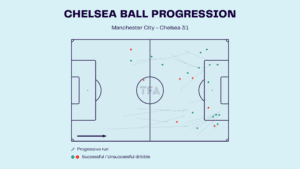
Chelsea’s defeat against Manchester City was not solely a consequence of defensive frailties; it was equally shaped by their inability to convert promising situations into goals. While City showcased a clinical edge in front of the net, Chelsea’s lack of precision and composure in key moments proved to be a major factor in their downfall. This analysis will delve into the missed opportunities, the underlying reasons for their lack of clinical finishing, and how these shortcomings ultimately undermined their chances of securing a positive result. The match serves as a case study of the importance of ruthlessness and efficiency in the final third when facing top-tier opposition like Manchester City.
Early Promise, Ultimate Frustration
Despite conceding an early goal, Chelsea had periods in the game where they threatened Manchester City’s goal. However, a combination of poor decision-making, lack of composure in the final third, and excellent goalkeeping by Ederson meant that these moments did not translate into goals. Chelsea’s inability to capitalize on early opportunities allowed Manchester City to grow into the game, and gain confidence and control. The opening goal, gifted to Chelsea by a Manchester City defensive error, did not lead to further Chelsea goals, demonstrating an inability to press their advantage.
Key Missed Opportunities
Throughout the match, Chelsea’s inability to convert chances was evident in several key moments:
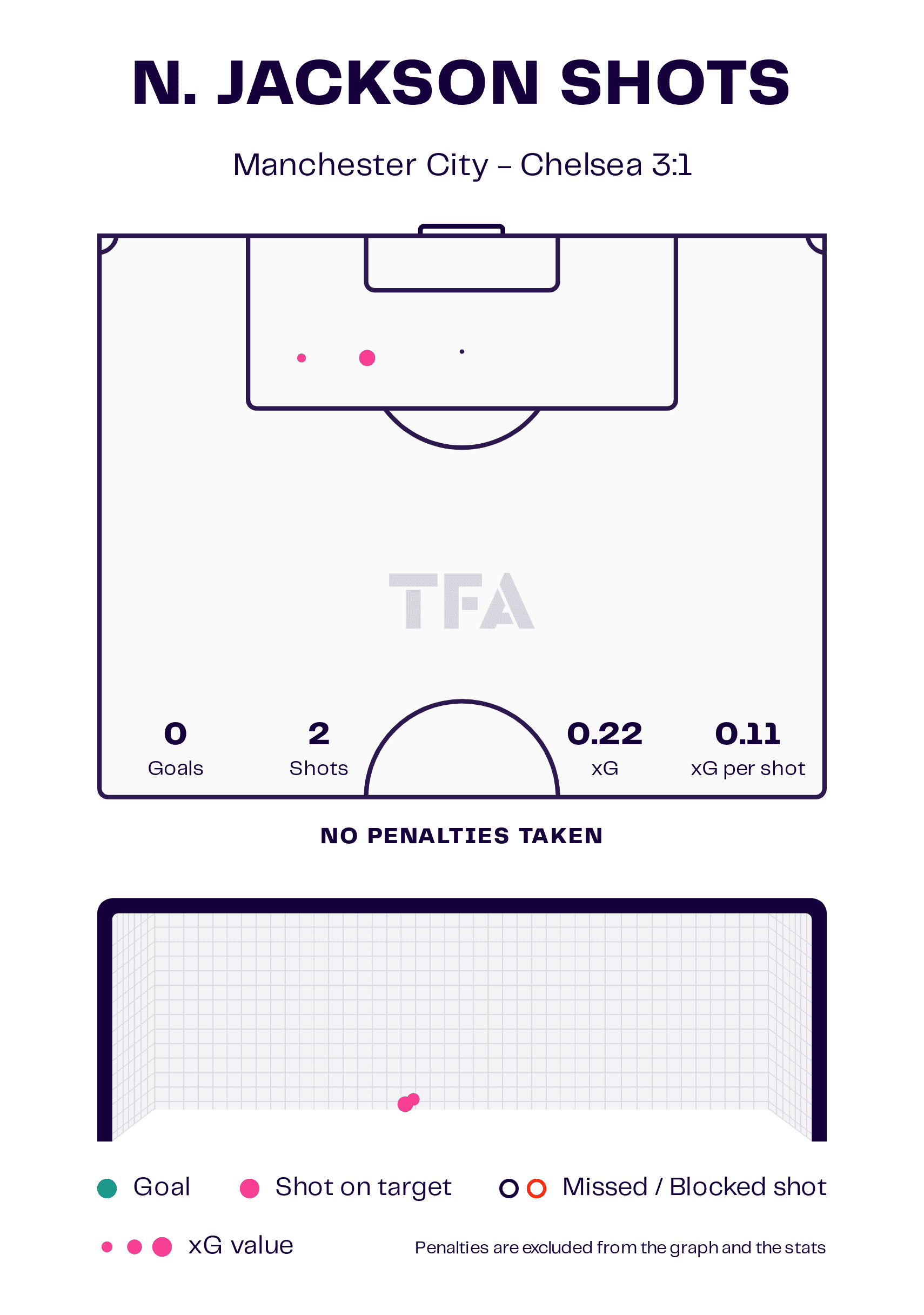
- Jackson’s Near Miss: In the first half, Jackson had a good opportunity to score but failed to catch the ball purely. This change, which came after some good movement and build-up play, could have changed the complexion of the game, but the lack of precision in the final shot meant it came to nothing.
- Madueke’s Ineffectiveness: Despite being involved in the opening goal, Madueke had opportunities to make more of an impact, but his finishing let him down. His indecision at key moments and a tendency to get caught between “streams of thought” meant that Chelsea did not take full advantage of their attacking opportunities.
- Palmer’s Efforts: Palmer was lively at times, but failed to provide the finishing touch. While he was able to cause problems for the City defence, he was not able to provide a decisive moment.

- Numerous Other Chances: Throughout the game, Chelsea had multiple opportunities to score, but a combination of poor finishing and excellent goalkeeping by City’s Ederson, meant that they went unrewarded. In one instance, Ederson made a good save from a shot through the legs of a Chelsea player. These moments of near success only served to highlight Chelsea’s frustrations in front of goal.
Lack of Clinical Finishing: Underlying Factors

Several factors contributed to Chelsea’s lack of clinical finishing:
- Poor Decision-Making: At crucial moments, Chelsea’s attackers often made the wrong decisions, opting for low-percentage shots or failing to pick out the best-placed teammate. This lack of game awareness and poor decision-making often meant that promising attacks fizzled out.
- Hesitancy and Lack of Conviction: Several Chelsea players appeared hesitant in front of goal, lacking the conviction and ruthlessness needed to convert chances. This was particularly evident in moments where players had time and space to pick their spot but failed to do so.
- Pressure and Anxiety: As the game wore on, the pressure to score and the anxiety of being behind appeared to affect Chelsea’s attackers, leading to even more erratic finishing and poorer decision-making.
- Lack of Composure: In high-pressure situations, Chelsea’s players often lacked the composure needed to finish chances. This was particularly evident in the final third, where rushed shots and poor touches meant opportunities were wasted.
Chelsea’s Inability to Capitalize on Set Pieces
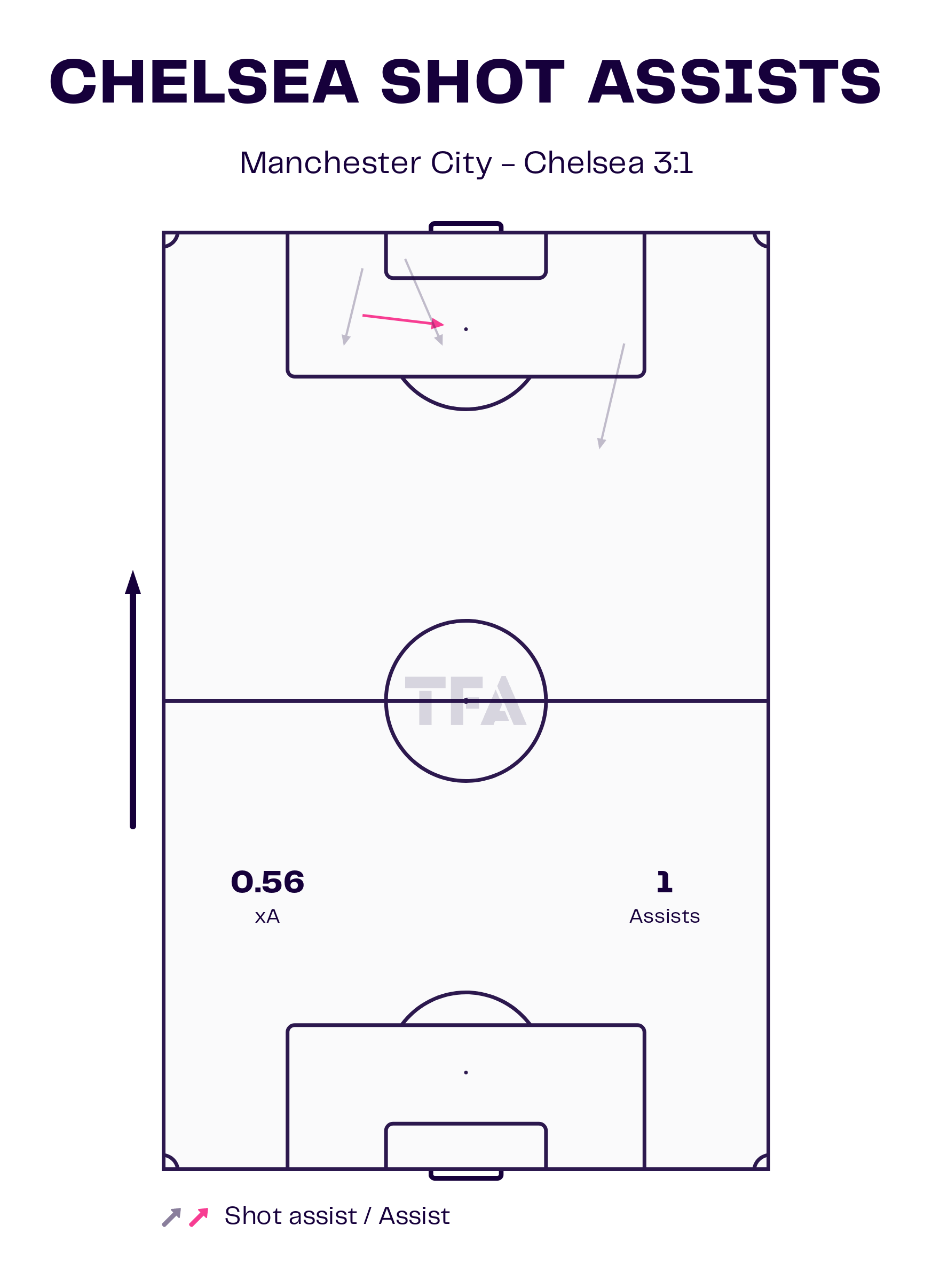
Chelsea also struggled to make the most of set-piece situations. Despite having opportunities to deliver dangerous balls into the box, they failed to create any clear-cut chances from corners or free kicks. This lack of precision and variety in their set-piece delivery further compounded their inability to score.
Contrast with Manchester City’s Clinicality
In contrast to Chelsea’s struggles, Manchester City demonstrated a ruthless efficiency in front of goal. City’s goals were characterized by composure, precision, and a collective ability to exploit the weaknesses in Chelsea’s defence. While Chelsea often rushed their shots and made poor decisions, Manchester City’s players were able to calmly take their chances and convert them into goals. This clinical finishing was evident in goals scored by Gvardiol, Haaland and Foden.
Consequences of Missed Chances
Chelsea’s inability to capitalize on their opportunities had a significant impact on the outcome of the match:
- Loss of Momentum: Chelsea’s failure to score when on top meant that momentum swung in favour of Manchester City. This shift allowed City to dominate the game and ultimately secure the victory.
- Psychological Impact: The repeated failure to convert chances had a negative psychological impact on the Chelsea players, leading to frustration and a decline in confidence.
- Lack of Goals: Ultimately, Chelsea’s failure to score meant that they were unable to compete with Manchester City. Their solitary goal came as a result of Manchester City’s error, rather than a result of Chelsea’s skill, thus highlighting their inability to create goalscoring opportunities.
Tactical Adjustments
Although Chelsea had opportunities, their tactical approach did little to create consistent goalscoring opportunities:
- Lack of Support for Forwards: Despite having moments of individual brilliance, Chelsea’s forwards often lacked support from their midfield, which meant that they were unable to get enough players into dangerous goalscoring areas.
- Inability to Break Down City’s Defence: Chelsea struggled to break down Manchester City’s organized defence, which limited the amount of clear-cut chances they created.
A Lesson in Efficiency
The match against Manchester City served as a stark lesson in the importance of clinical finishing. While Chelsea had periods of good play, they failed to convert their chances, highlighting the need for greater composure, better decision-making, and increased ruthlessness in the final third. The game was a clear indication that missed opportunities can be as costly as defensive errors. Chelsea’s inability to turn chances into goals was the other key element in the game.
Conclusion: The Need for Improvement in the Final Third
Chelsea’s defeat against Manchester City was not just a result of defensive errors; it was equally impacted by their inability to convert their chances. The lack of clinical finishing, poor decision-making, and hesitancy in front of goal all contributed to their downfall. The match underscores the need for Chelsea to improve their attacking efficiency, develop a more ruthless edge in the final third, and ensure that they are able to capitalize on their opportunities against top-tier opposition. The ability to take chances is a crucial aspect of football, and in the game against City, Chelsea were found wanting.
Visuals via TFA data viz engine